Is it burnout, or is it organizational trauma? A vital question
“Distinguishing between organizational lifecycle transitions, organizational crises, and organizational trauma is important.”

“Distinguishing between organizational lifecycle transitions, organizational crises, and organizational trauma is important.”
Steps we take at this time may not be “strategic” but they may be what helps change…everything.
Here’s 3 ways an unchecked ego can trip us up, and suggestions for how to prevent this.
What’s the difference between approaches to global development versus global solidarity?
What if nascent grassroots organizations needed something totally different to assess their organizational capacity?
Network thinking has been on my mind. Sharing this piece from Curtis Ogden of the Interaction Institute of Social Change.
Some thoughts on and from inProgress’ new manual, “Integrated Monitoring: A Practical Manual for Organisations That Want to Achieve Results.”
The predictable, linear, rational progression of activities is what can make a sound logframe clear and elegant. But this is also what can render it useless in the context of providing relief and fighting poverty and injustice.
Organizational development is a discipline that needs to become more central to the practice of the development sector as a whole, not just a small professional enclave.
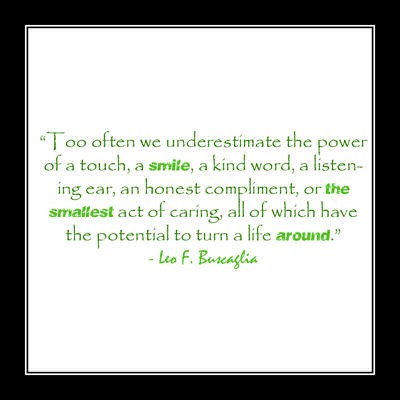
Work on the ground can often be difficult, slow, and heartbreaking, however rewarding. Sometimes the most important thing we can do is to show “care for the caregivers” (both physically and emotionally) to reduce stress and prevent burnout.