

I was almost a Bicentennial Baby.
On the morning of my birth, July 3, 1976, all of my cousins were on a float in a parade to celebrate the United States’ 200th anniversary. They were all dressed as pilgrims, in a boat made to look like the Mayflower on the back of a flat-bed trailer headed down main street in Fairfield, Nebraska.
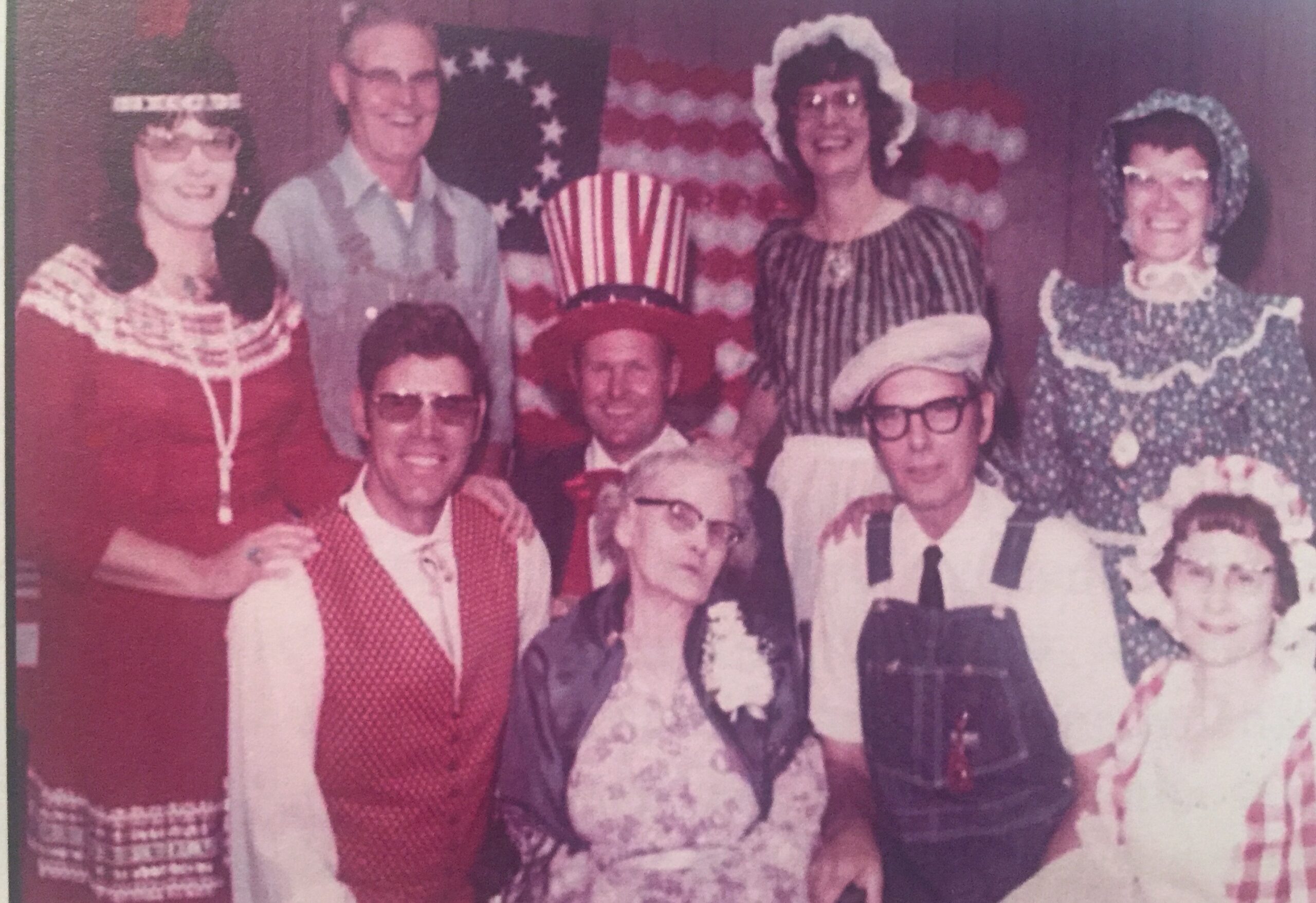
Today this nearly bicentennial baby turns 50. My lifetime has spanned the last one fifth of the U.S.’ existence and has offered learning opportunities that were not as available to my parents and grandparents. The last decade of my life has been marked by trying to understand my ancestors’ experience as immigrants to and as settlers of this country, and how this history impacts people then and now. As U.S. citizens are being drummed up to celebrate, I share this because learning about this nation’s origins has somehow made it even more beautiful to me.
I have always been proud to have been born and raised in rural Nebraska. As my life took me to live in and know other places around the world intimately, I learned it is common for people to have pride in their nations and hometowns. There is nothing inherently wrong with having pride in one’s origins. We all need to feel grounded and part of something bigger than ourselves.
Two hundred fifty years ago, the state of Nebraska did not even exist. There was no border that created a dividing line between us and Iowa, Missouri, Kansas, Colorado, Wyoming, and South Dakota. There was no panhandle. No Lincoln or Omaha metro areas. No state parks or endless rows of corn and soybeans. There was only…prairie, in balance. People and animals and plants and soil.
Then some men arrived from far away, looked at that land, and saw possibilities. They used brutal and merciless ways to offer a future they envisioned to people who looked more like them. That future included my own family: resolute, resourceful, and stubborn German settler farmers who arrived to south central Nebraska in the mid- to late-1800s and who benefitted from the Homestead Act to occupy land stolen from the Pawnee people, who were removed to Oklahoma.
Today, any love I have for a place must hold the both-and’s of how we relate to each other and to the land itself. Three or four generations on all sides of my family worked hard to build the wealth that made the 50 years of my life possible. They were vulnerable people, having crossed an ocean to start a new life with very little, yearning to thrive in their new home. They were not bad people, but people shaped by a land-ownership system in a young nation that preferenced them. I have had to develop my own emotional resiliency to understand how I could relate to the complex, nuanced, and painful history of this nation.
For people like my family, the United States became a place of possibility, if not guarantees. For others, this optimism can be seen as an entitlement built on the pain and suffering of other people. And while I may not consider myself a loyalist to a red, white, and blue banner, I understand why people want to identify as patriots, in gratitude for the opportunities granted.
Two hundred fifty years later, there is a new struggle. More and more people in my local community are questioning the United States’ nation-defining myths. We are invited to see the holes in the story, the lies about who our leaders were and are, and the harm that our great nation has caused and is still causing around the world.
There are still people who want to take. Take from nature. Take away dignity. Take away hard-earned rights. Take away opportunity. This history of genocide and slavery lives in our bones, but we can refuse to let it determine our future.
As this country nears its 250th anniversary, I want to say to my fellow descendants of settlers, by all means be proud of what this nation has offered, and of what it can still offer. At age 50, I am reminded not of an idealized past, but only that I have more to learn about this great and flawed nation. Every day I celebrate the space that this knowledge can create, knowing that there is a more complete story of America that includes every single one of us – indigenous or settler, black or brown or white, deeply patriotic or deeply disappointed and distrustful of our nation state. Let’s not pretend that there is only one American story. Or even one America.
We have an opportunity to broaden the way we understand what holds this country together. The United States’ 250th anniversary cannot be about elevating one part of its history. For me, as I gather with friends to celebrate my birthday this weekend, it’s about recognizing how deeply connected we already are, and how much stronger we are when those connections are supported and given the opportunity to grow and expand our interdependence.
A false nostalgia has no place in welcoming and thriving communities. We are not all the same, and by God, that is beautiful.
***
Related Posts
